
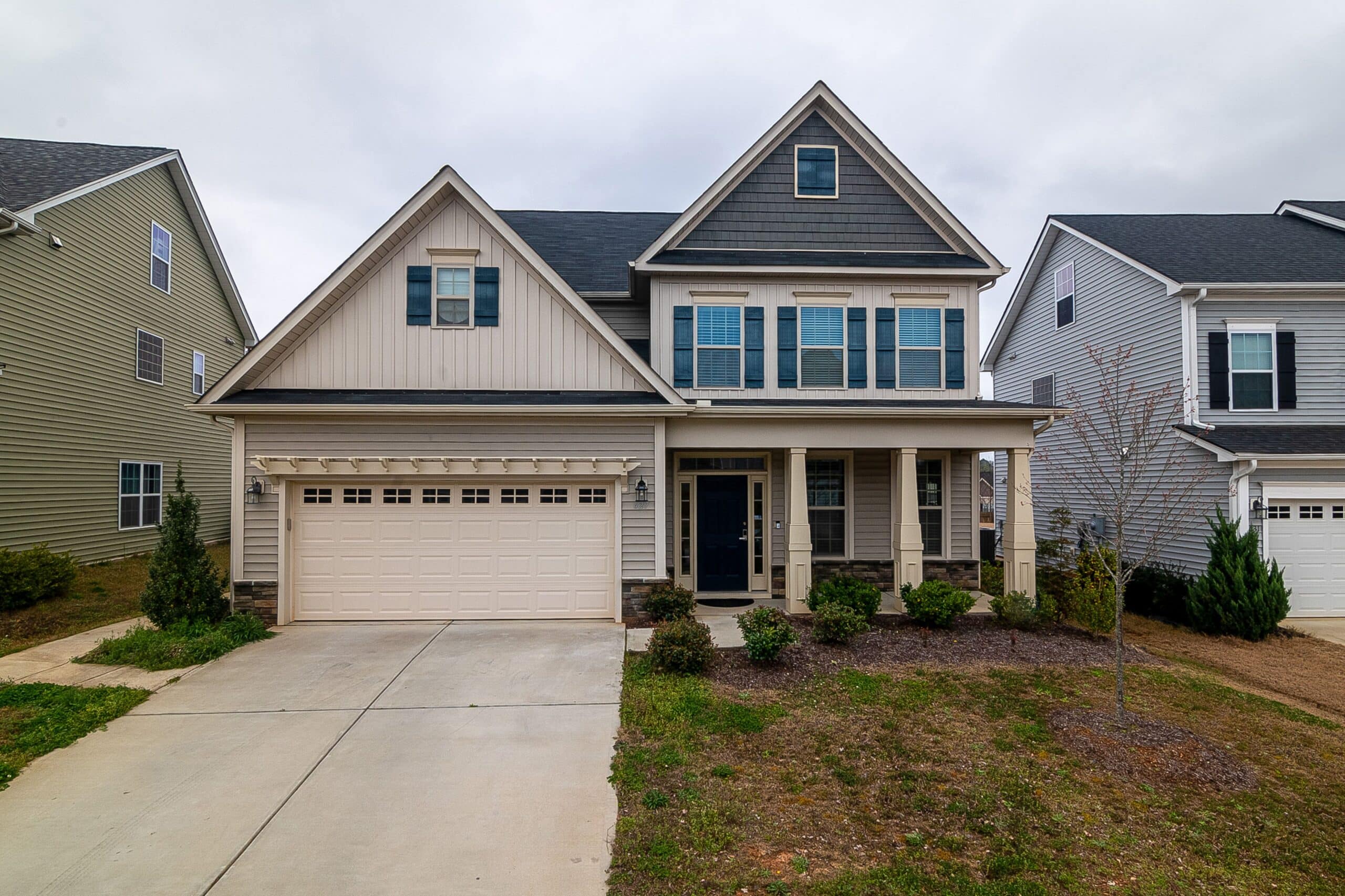
Storm restoration in Siouxland means navigating three different state requirements across Nebraska, Iowa, and South Dakota. Document damage thoroughly, confirm your contractor’s licensing status in your state, understand your insurance policy’s deductible and coverage limits, and contact your insurer quickly. We walk homeowners through every step below.
Storm damage leaves most homeowners feeling overwhelmed. One minute you’re assessing a few missing shingles, and the next you’re buried in insurance paperwork, contractor quotes, and state-specific regulations you never knew existed.
Siouxland makes this especially tricky. The region spans northwestern Iowa, northeastern Nebraska, and southeastern South Dakota, with Sioux City serving as its anchor city along the Missouri River. Each state has its own licensing rules, insurance expectations, and contractor registration requirements, which means a repair process that works for your neighbor across the state line might look completely different from yours.
We’ve put together this guide to walk you through storm restoration from the moment damage occurs to the final nail in your new roof. Our team at Home Pride Contractors has handled Sioux City roof repair and restoration since 1985, and we know how confusing this process can feel when you’re dealing with it for the first time.
Key Takeaways
- Storm damage restoration is a step-by-step process, starting with assessing the damage and ending with a fully repaired or replaced roof.
- Every restoration plan is unique; what works for one property might not work for another, so it’s essential to evaluate your specific needs.
- Partnering with an experienced contractor, like Home Pride Contractors, ensures a smoother process and expert guidance from start to finish.
- Understanding your insurance policy and claim process is crucial for getting the compensation you deserve.
- With over 35 years of experience, Home Pride Contractors has the expertise to restore your roof with quality materials and trusted craftsmanship.
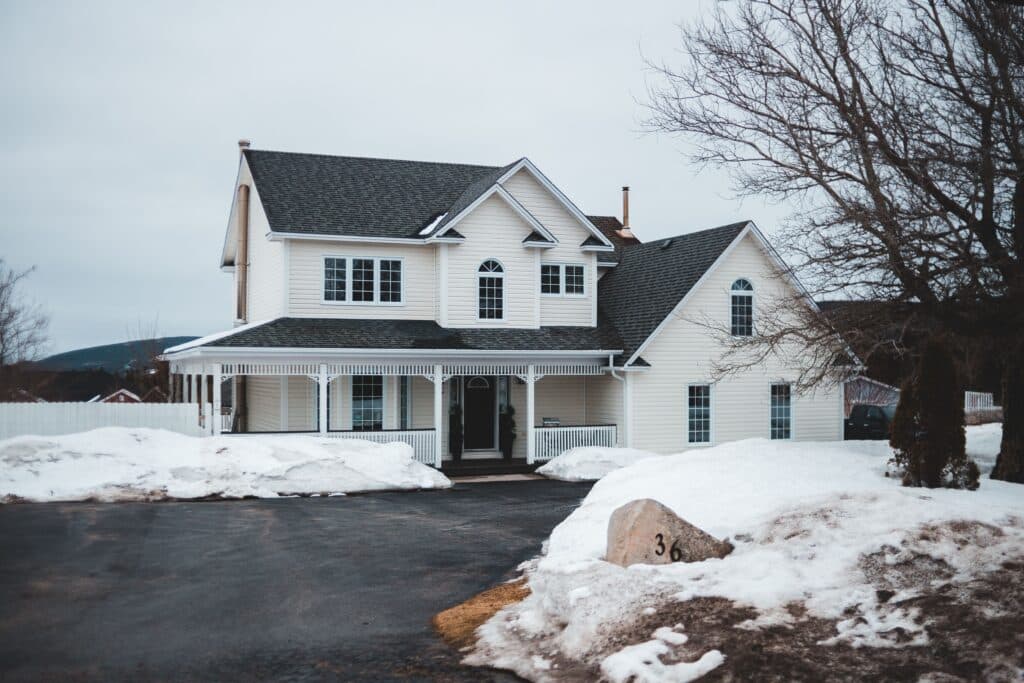
What Should I Do First After Storm Damage Hits My Home?
Safety comes before everything else. Before you walk around your property, check for downed power lines, the smell of gas, or any visible structural hazards like a sagging roofline or cracked foundation wall. If anything looks unsafe, stay back and call the appropriate utility or emergency service first.
Once it’s safe to proceed, document everything. Take photos and videos from multiple angles, covering both the interior and exterior of your home. Capture water stains on ceilings, dented gutters, missing shingles, and any broken windows.
From there, build a written list of damaged items along with their approximate replacement costs. This list becomes invaluable when you’re talking to your insurance adjuster, and it gives you a clear record if questions come up later about what was damaged and when.
How Do Insurance Claims Work Differently Across Nebraska, Iowa, and South Dakota?
Each state in the Siouxland region handles contractor requirements and claims processes a little differently. In Iowa, for example, contractors earning $2,000 or more a year from construction work must register under Iowa Code Chapter 91C, and homeowners can verify a contractor’s status through the Iowa Department of Inspections, Appeals, and Licensing (DIAL). Nebraska takes a stricter approach: under the Contractor Registration Act (Neb. Rev. Stat. §§48-2101 to 48-2112), a contractor must be registered with the state labor department before performing any construction work at all.
South Dakota’s rules focus more on sales, use, and contractor’s excise tax licensing rather than a single statewide roofing license, so it’s worth confirming requirements directly with the South Dakota Department of Revenue, along with any city or county offices in your area. Because the rules shift from state to state, we always recommend contacting your insurance agent within a few days of the storm to report damage, since most policies include specific reporting windows. From there, an adjuster will inspect your property and determine what’s covered based on your policy terms.
What Should I Look for When Choosing a Storm Restoration Contractor?
Licensing comes first. Verify that your contractor holds the proper registration for your specific state, whether that’s Nebraska, Iowa, or South Dakota, since requirements genuinely differ across the three.
Next, check references and reviews from previous storm restoration projects in your area. Our team has built a reputation around this exact kind of work, with an A+ BBB rating and over 800 verified 5-star Google reviews from homeowners across the region.
Finally, confirm that any contractor you’re considering carries liability insurance and workers’ compensation coverage. This protects you from being held financially responsible if something goes wrong on your property during the repair process. A legitimate residential roofing contractor will have no issue providing proof of both.
What Happens During the Storm Restoration Process?
Timelines vary quite a bit depending on how severe the damage is and how available materials are in your region. A simple roof repair might take a single day, while a full roof replacement after major hail or wind damage could take longer, especially if specific shingle colors or materials are backordered.
A quality contractor will walk you through a detailed written estimate before any work begins, so you know exactly what to expect in terms of scope and cost. We also believe regular communication matters throughout the project. Staying in touch with your contractor as work progresses helps catch small issues before they become bigger, more expensive problems, and it keeps your project moving on schedule.
Beyond storm repairs, ongoing roof maintenance after restoration helps protect your investment for years to come. A well-maintained roof is far less likely to suffer severe damage the next time a storm rolls through Siouxland.
Frequently Asked Questions
Q: How quickly should I file an insurance claim after a storm?
A: Contact your insurance company within 24 to 48 hours of the damage if possible. Most policies include specific timeframes for reporting claims, so check your policy documents or call your agent directly to confirm your deadline.
Q: Do I need a licensed contractor for storm repairs in Nebraska, Iowa, and South Dakota?
A: Requirements vary by state. Nebraska requires contractor registration for all construction work, Iowa requires registration for contractors earning $2,000 or more annually, and South Dakota focuses on tax-related licensing. Check with your state’s licensing board to confirm exactly what credentials your contractor needs.
Q: Can my insurance company require me to use a specific contractor?
A: No. You have the right to choose your own storm restoration contractor, though your insurer may suggest preferred vendors. The final decision is yours to make.
Q: What if my insurance settlement doesn’t cover all the damage?
A: Review your policy details and deductible closely. Depending on the gap, you may choose to pay out-of-pocket for additional repairs, or you can negotiate further with your adjuster if you believe the settlement doesn’t reflect the full scope of damage.
Q: Will my insurance premiums go up after filing a storm damage claim?
A: This depends on your insurer and your claims history. Ask your agent directly about how a storm-related claim, which is often treated differently than other claim types, might affect your premium going forward.
Protecting Your Home Starts with Taking Action
Storm restoration takes planning, thorough documentation, and the right team guiding you through a process that can otherwise feel overwhelming. Every step, from checking for downed power lines to vetting a contractor’s licensing in your specific state, builds toward the same goal: getting your home repaired correctly and your claim handled fairly.
Acting quickly protects your home and gives you peace of mind heading into the next storm season. If you’re in the Siouxland area and need a trusted storm restoration contractor, our team at Home Pride Contractors is ready to help you through every stage of the process.