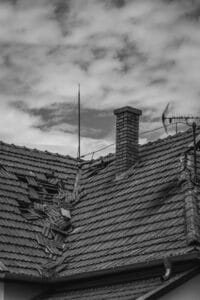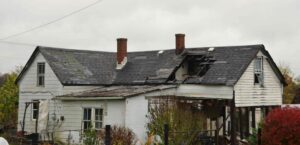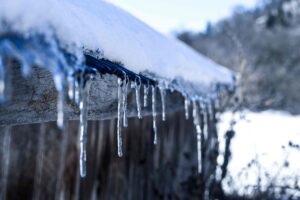
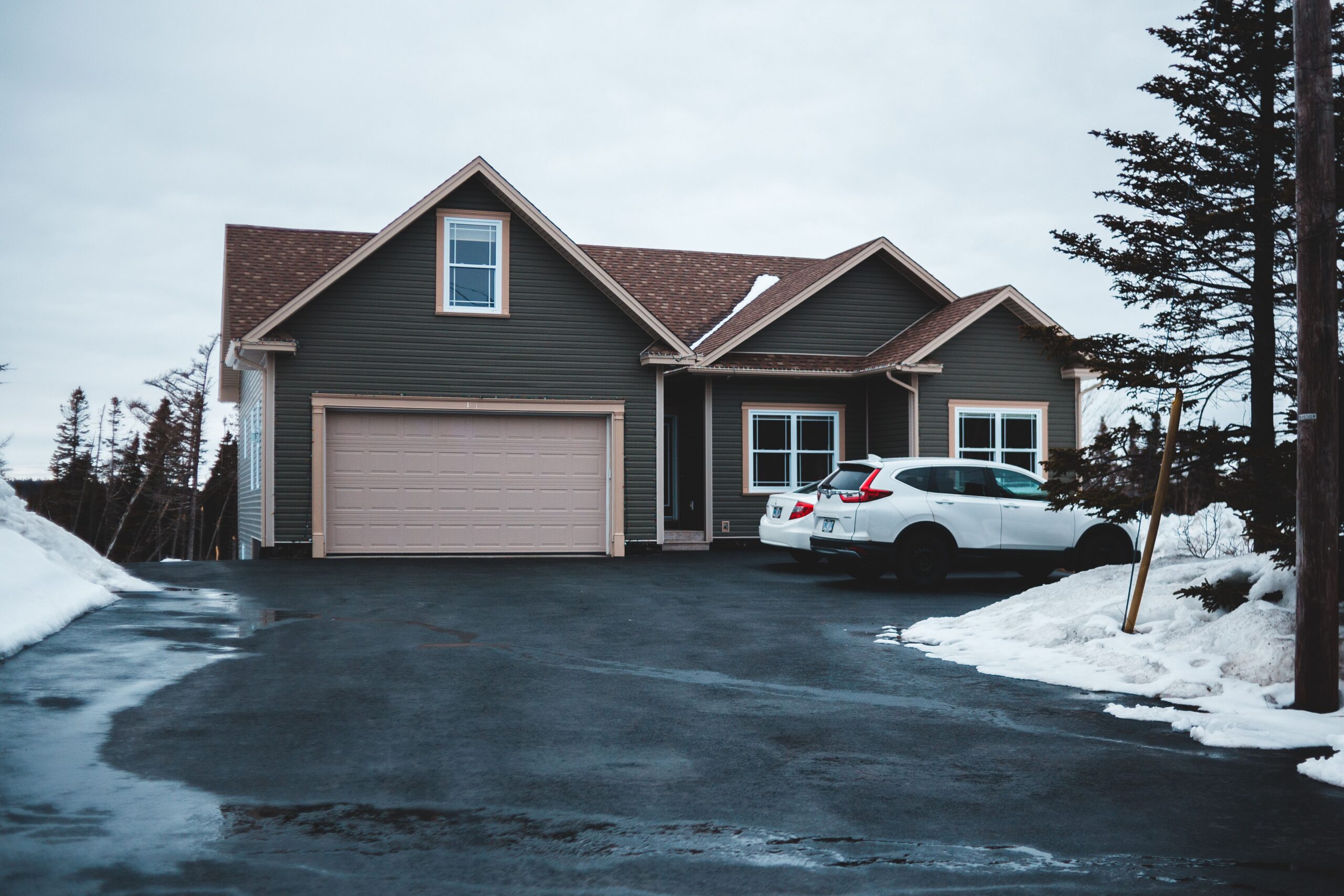
Heavy snow and ice put real stress on Norfolk roofs and siding each winter. We recommend inspecting shingles, flashing, and gutters before the first storm, trimming overhanging branches, and sealing siding gaps. A professional inspection catches issues homeowners often miss, especially on roofs over 15-20 years old.
Winter in Norfolk brings heavy snow and ice that put serious stress on your home’s exterior. Your roof and siding form your first line of defense against the elements, and neglecting them before a storm hits can turn a minor issue into an expensive repair. We’ve put together this checklist to help you get ahead of the season so you can head into winter with confidence instead of worry.
Key Takeaways
- Inspect your roof for missing shingles, damaged flashing, and signs of wear before heavy snow arrives
- Clean gutters and downspouts to ensure proper water drainage and prevent ice dams
- Check siding for cracks, gaps, or deterioration that could allow moisture infiltration
- Trim tree branches hanging over your roof to prevent damage from falling limbs
- Schedule a professional inspection if you’re unsure about your home’s readiness
Each of these steps addresses a specific winter risk, and we’ll walk through exactly why they matter below.

What Winter Weather Risks Does a Norfolk Roof Face?
Heavy snow accumulation can weigh heavily on roofing structures, particularly older roofs that have already endured decades of freeze-thaw cycles. That added weight stresses weak points you might not notice during the warmer months.
Ice dams present another major concern. According to the National Weather Service, ice dams form when heavy snow buildup melts during the day and refreezes overnight as temperatures drop (NWS, “Preventing Roof Ice Dams”). After several melt-freeze cycles, water and ice can work their way up under shingles, enter the attic, and damage ceilings, walls, and contents. Freeze-thaw cycles also cause roofing and siding materials to expand and contract repeatedly, which creates new vulnerabilities over time.
How Can I Prevent Ice Dams Before Winter Hits?
The National Weather Service recommends a few concrete steps to cut your risk. Keep gutters and downspouts clear of leaves, sticks, and debris so meltwater can drain properly. Use a long-handled roof rake from the ground to keep roof snow to a minimum, which reduces both ice dam formation and the risk of roof failure from excess weight (NWS, “Preventing Roof Ice Dams”). Evaluate your attic insulation and ventilation, too. Most experts agree attic insulation should reach at least R-30, with R-38 preferable in northern climates like ours, according to the National Weather Service. Proper airflow from the soffits through the roof vents keeps attic air cold enough to minimize the freeze-thaw cycle, while adequate insulation prevents heat loss from inside your home.
What Should Be on Your Pre-Winter Roof Checklist?
Start by inspecting your shingles for curling, missing pieces, or granule loss, since these are often the earliest warning signs of wear. Next, check the flashing around chimneys, vents, and skylights for gaps or rust that could let water in during a thaw cycle.
Take a look inside your attic as well. Sagging areas or signs of water staining can indicate a problem that’s already underway, even if your roof looks fine from the ground. If your home’s roof is over 20 years old, we recommend scheduling a professional inspection before winter weather arrives. An experienced eye can catch deterioration that’s easy to miss from a ladder.
As we’ve served Norfolk and Madison County since 1985, we’ve seen firsthand how a thorough fall inspection saves homeowners from costly midwinter emergencies. If your roof does need attention, our team can walk you through whether a repair or a full roof replacement makes more sense for your situation. For homes where storm exposure is a recurring issue, metal roofing offers notable durability against wind-driven snow and hail.
How Do I Prepare My Gutters and Drainage System for Snow?
Clear leaves and debris from your gutters and downspouts well before the first snowfall, since clogged gutters are one of the leading contributors to ice dam formation. Make sure your gutters slope properly toward the downspouts so water flows freely rather than pooling.
Installing gutter guards can reduce how often debris builds up, saving you a climb up the ladder later in the season. It’s also worth checking that your downspouts direct water at least 5 feet away from your foundation. That distance matters more in winter, when meltwater and ice can otherwise seep toward your foundation and cause damage you won’t notice until spring.
What Should I Check on My Siding Before Winter?
Walk the perimeter of your home and look for cracks, holes, or separation in your siding panels. Pay close attention to areas near the foundation, where soft spots or signs of rot tend to show up first.
Caulk gaps around windows, doors, and trim to seal air leaks before the cold sets in. If your siding shows visible wear, applying fresh exterior paint or sealant now can extend its life through another Nebraska winter. Fiber cement and composite siding generally hold up well against snow and ice, while vinyl and wood siding also perform adequately as long as they’re properly maintained. We can recommend the best material for Norfolk’s climate based on your home’s specific exposure and age.
Why Does Tree Trimming Matter for Winter Readiness?
Remove branches hanging within 6-10 feet of your roof, since heavy, wet snow can cause even healthy limbs to snap under weight they’d normally handle fine. Trim any limbs that rub against your siding or gutters as well, because repeated friction from wind and snow load can wear through protective coatings over time.
For large or hard-to-reach branches, a professional tree service is usually the safer option. And if you have any dead trees near your home, removing them before winter storms arrive is one of the simpler ways to prevent serious damage down the road.

Frequently Asked Questions
Q: How often should I have my roof professionally inspected?
A: We recommend a professional inspection at least once every two years. If your roof is over 15 years old, or if you’ve just weathered a severe storm, we suggest making that an annual checkup instead.
Q: What’s the difference between roof repairs and roof replacement?
A: Repairs address specific damage, like missing shingles or an isolated leak, while a replacement means removing the old roof system and installing a new one. We’ll walk your roof with you and recommend whichever option fits your home and budget.
Q: Can I clean my gutters myself, or should I hire a professional?
A: Many homeowners handle gutter cleaning safely with the right equipment and precautions. That said, if you’re not comfortable working at heights, or if your gutter system is more complex than a standard single-story home, we’d suggest bringing in a professional instead.
Q: How can I prevent ice dams from forming on my roof?
A: Proper attic insulation and ventilation go a long way toward preventing ice dams, since they keep warm air from escaping and melting snow unevenly. Keeping your gutters clear, making sure downspouts function properly, and using ice dam prevention products in vulnerable areas all help too.
Q: What siding materials hold up best in winter weather?
A: Fiber cement and composite siding generally perform the best through Nebraska winters. Vinyl and wood siding can also hold up well with regular maintenance, and we’re happy to recommend the right fit once we’ve seen your home.
Ready to Protect Your Norfolk Home This Winter?
Winter preparation starts with a thorough look at your roof, gutters, and siding, well before the first snowfall hits the ground. A small maintenance investment now, whether that’s clearing gutters or trimming a few branches, can save you from a major repair bill once the snow starts piling up.
As your licensed Norfolk roofing contractor, we’ve helped homeowners across Madison County get ready for winter since 1985. Our team includes certified CertainTeed Roofing Masters, and we carry an A+ BBB rating along with hundreds of verified 5-star reviews from customers across the area, which you can read for yourself on our Google Business profile. Give us a call or request a free inspection today, and let’s get your home ready for the season ahead.