
Omaha homeowners can reduce storm damage risk by checking their roof’s ASTM wind rating, upgrading flashing around chimneys and vents, and scheduling a professional inspection before spring storm season arrives. Home Pride Contractors recommends completing these upgrades during the fall and winter off-season, well ahead of Nebraska’s peak tornado months of May and June.
Omaha sits squarely in a region where high wind events and tornadoes pose a real threat to homes every spring. We’ve spent over 40 years helping Nebraska and Iowa homeowners repair and strengthen their roofs after severe weather, and we’ve seen firsthand how much a little preparation can save in time, money, and stress.
The right upgrades, made before the storms arrive, can mean the difference between a roof that holds up and one that fails at the worst possible moment. This guide walks through what wind ratings actually mean, why flashing deserves more attention than it usually gets, and how a professional inspection can catch problems before they become expensive ones.
Key Takeaways
- Wind ratings, based on third-party testing standards, indicate how much wind force a roofing material can withstand before failing.
- Quality flashing prevents water intrusion at the vulnerable joints where your roof meets chimneys, vents, and walls.
- Professional inspections catch weaknesses that are easy to miss from the ground, giving you time to fix them before severe weather hits.
- Upgrading to impact-resistant materials offers meaningful, long-term protection against hail and wind damage.
What Do Wind Ratings Actually Mean for an Omaha Roof?
Wind ratings aren’t marketing claims. They come from standardized tests run by third-party organizations, and the two most common testing methods are ASTM D3161 and ASTM D7158.
Under ASTM D3161, a fan-induced wind test, Class A represents the entry-level rating at 60 mph, while Class F sits at the top with a 110 mph rating. Under ASTM D7158, which uses an uplift-force method, ratings run from Class D (90 mph) up through Class G (120 mph) and Class H (150 mph). The specific class and testing method matter more than the letter alone, so it’s worth checking the spec sheet or packaging for the exact standard used before assuming a higher letter automatically means stronger performance.
Many older homes across Omaha were built with roofing materials rated well below current wind standards, simply because those standards have evolved over the decades. If your roof hasn’t been replaced recently, there’s a good chance it wasn’t tested to today’s benchmarks. Upgrading to laminate shingles with wind resistance ratings up to 130 mph can close that gap considerably.
It’s also worth being honest about the limits of any wind rating. Tornado-force winds, measured on the EF scale, can exceed what any shingle is rated to withstand. A high wind rating reduces your risk from straight-line winds and severe thunderstorms, but no roofing material is truly tornado-proof. For homeowners who want maximum durability against hail and wind alike, clay tile roofing resists strong winds effectively, though it can crack under heavy direct impact.
Why Does Flashing Matter So Much During High Wind Season?
Flashing is the thin metal material installed at the seams where your roof meets chimneys, vents, skylights, and walls. These joints are the most vulnerable points on any roof, since they’re where two different building materials meet and where water naturally wants to find a way in.
When flashing is installed improperly, or when it deteriorates over time, water can work its way into your home. It doesn’t always show up where it enters, either. Water can travel several feet along rafters or sheathing before it appears as a stain on your ceiling, which makes leaks surprisingly tricky to diagnose on your own.
Not all flashing materials perform equally well over time. Metal flashing options vary in durability and weather resistance, and the right choice depends on your roof’s design and local exposure to wind-driven rain. Routine flashing maintenance, checking for lifted edges, rust, or cracked sealant, prevents the kind of secondary water damage that often shows up weeks after a storm has passed. Since siding meets your roofline at many of these same transition points, pairing roof work with fiber cement lap siding upgrades can tighten up your home’s entire weather envelope.
How Does a Professional Roof Inspection Help Before Storm Season?
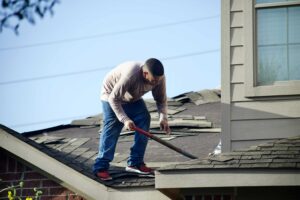
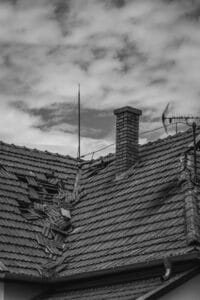
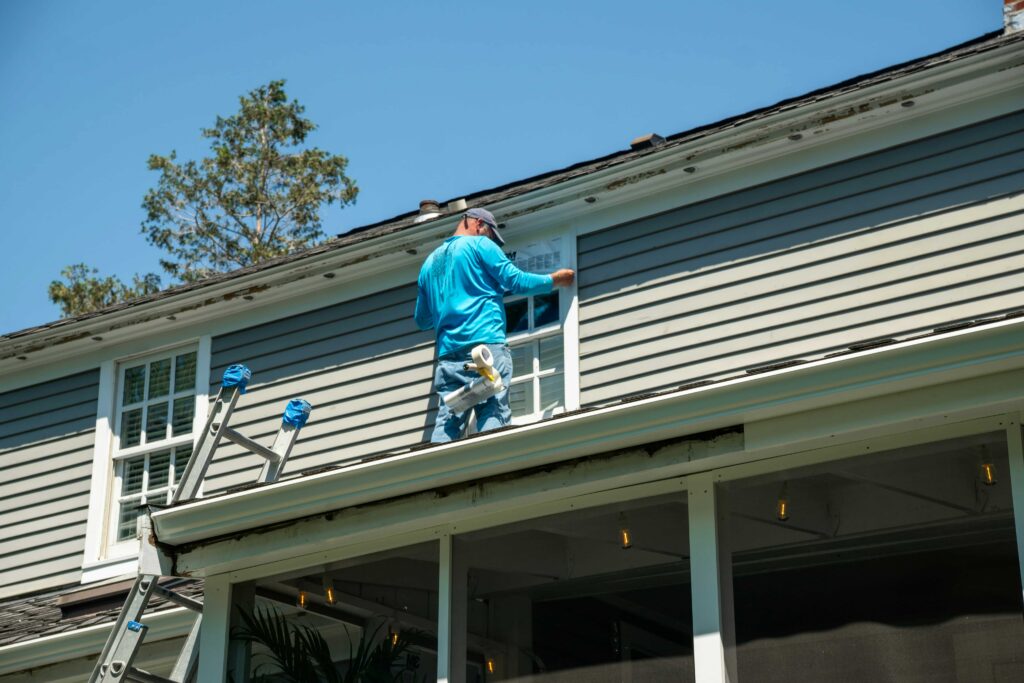
A trained inspector sees things homeowners typically miss. Hairline cracks in flashing, slightly lifted shingle edges, or early granule loss aren’t always visible from the ground, but they’re exactly the kind of small issues that turn into major leaks once high winds arrive.
Catching these problems early gives you time to schedule repairs calmly, rather than scrambling after a storm has already caused damage. An inspection also creates documentation of your roof’s condition, which matters if you ever need to file an insurance claim after severe weather. We offer free inspections specifically so cost never becomes a reason to put off finding out where your roof actually stands. If you’d like a full exterior assessment, our team at Home Pride, an Omaha roofing and siding contractor, can walk you through what we find and what, if anything, needs attention.
When Should You Start Preparing Your Omaha Roof for Storm Season?
According to National Weather Service tornado data for Nebraska (1983-2012), May and June account for roughly 63% of the state’s annual tornado activity, with June alone averaging 19 tornadoes per year during that 30-year period. April serves as the ramp-up month, averaging 5.2 tornadoes, before activity peaks in late spring and early summer. That timeline gives Omaha homeowners a clear window: the fall and winter months are the right time to handle roof upgrades, well before demand (and weather risk) picks up.
Waiting until storm warnings are already in the forecast tends to mean rushed decisions and limited contractor availability. Scheduling upgrades now, while the weather is calmer, lets you choose materials thoughtfully and get quality installation without the pressure of an approaching front. Engineered wood lap siding is another option worth considering during this window, since engineered wood lap siding pairs well with roof upgrades when you’re already planning exterior work.
Whatever materials you choose, make sure the contractor doing the installation is licensed and carries proper insurance. That protects you if anything goes wrong during the project, and it protects your home long after the crew has packed up.
FAQ
Q: What wind speed can a wind-rated roof withstand?
A: It depends on the testing standard and class. Under ASTM D3161, Class F is rated for 110 mph, while ASTM D7158 Class H reaches 150 mph. Some of our laminate shingle options carry wind resistance ratings up to 130 mph. Actual performance always depends on proper installation and ongoing maintenance.
Q: How often should I have my roof inspected?
A: We recommend an inspection once a year, with additional checks after any severe storm or significant wind event.
Q: Can flashing be repaired, or does it need to be replaced?
A: Minor flashing issues can often be repaired on the spot. Flashing that has deteriorated significantly or was installed incorrectly usually needs full replacement to prevent ongoing leaks.
Q: Does homeowners insurance cover roof upgrades?
A: Insurance typically covers repairs after storm damage occurs, but it generally doesn’t cover preventive upgrades made ahead of time. Check your specific policy with your insurer, and know that we work directly with insurance companies to help homeowners navigate storm damage claims.
Q: How long do impact-resistant roof upgrades last?
A: With quality materials and professional installation, most impact-resistant upgrades last 20 to 30 years, depending on the material chosen and how much weather exposure your home sees.
Protecting Your Home Starts Before the Storm Does
Roof preparation isn’t a cosmetic upgrade. It’s an investment in your home’s safety and in avoiding the kind of costly, disruptive damage that severe weather can cause. Starting now, during the off-season, gives you time to make informed decisions instead of reactive ones once spring storms roll in.
We’ve been helping Omaha, Lincoln, Council Bluffs, and Des Moines homeowners prepare for severe weather since 1985, and we’re glad to walk you through what your roof needs before the next storm season arrives. Reach out for a free inspection, and let’s make sure your home is ready.