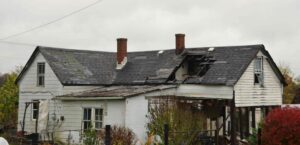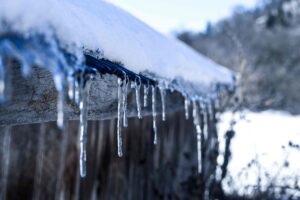

Hailstorms across Northeast Nebraska can bruise, crack, and strip granules from roofing shingles, with damage severity tied to hailstone size, wind speed, and roof age. After a storm, document visible damage, contact your insurance company, and schedule a professional inspection before attempting any repairs. Home Pride Contractors offers free hail damage inspections for Norfolk roofing and can guide you through the insurance claims process.
Norfolk sits in a part of the state that sees its fair share of severe spring and summer storms. We’ve watched hailstorms roll through Madison County for decades, and we know firsthand how quickly a clear afternoon can turn into a roof-damaging event. In May 2026, a widespread severe weather outbreak dropped hailstones measuring 2.5 inches, roughly tennis ball size, across central and eastern Nebraska, part of a broader trend the industry has tracked closely: severe hailstorms increased by 21% nationwide between 2022 and 2024.
For Norfolk homeowners, that trend matters. Hail damage isn’t always obvious from the ground, and waiting too long to address it can turn a simple repair into a full roof replacement. This guide walks through how hail affects your roof, what to do immediately after a storm, and how to decide between repair and replacement.
Key Takeaways
- Hail impact severity depends on stone size, wind speed, roof age, and shingle material.
- Document all visible damage immediately after a storm to support your insurance claim.
- Professional inspections catch hidden damage that’s easy to miss from the ground.
- Acting quickly prevents minor damage from turning into costly structural problems.
- Quality repairs using durable, matching materials protect your home for the long haul.
How Does Hail Actually Damage a Roof in Northeast Nebraska?
Hailstones in this region range from pea-sized to baseball-sized, and the size difference matters more than most homeowners realize. According to storm data from the May 2026 Nebraska outbreak, 2.5-inch hail falls at speeds exceeding 70 mph, enough force to bruise and crack asphalt shingles, strip away protective granules, and compromise a shingle’s structural integrity in ways that often aren’t visible from the ground.
Wind makes it worse. When hail hits at an angle instead of straight down, the force concentrates on specific sections of a roof, often the more vulnerable edges and slopes facing the storm. Research from the Insurance Institute for Business & Home Safety (IBHS) found that a high concentration of smaller, sub-severe hail can cause just as much cumulative damage as a few large stones. Older roofs with brittle, sun-worn shingles take the brunt of it, since aged materials crack and lose granules far more easily than newer, impact-rated products.
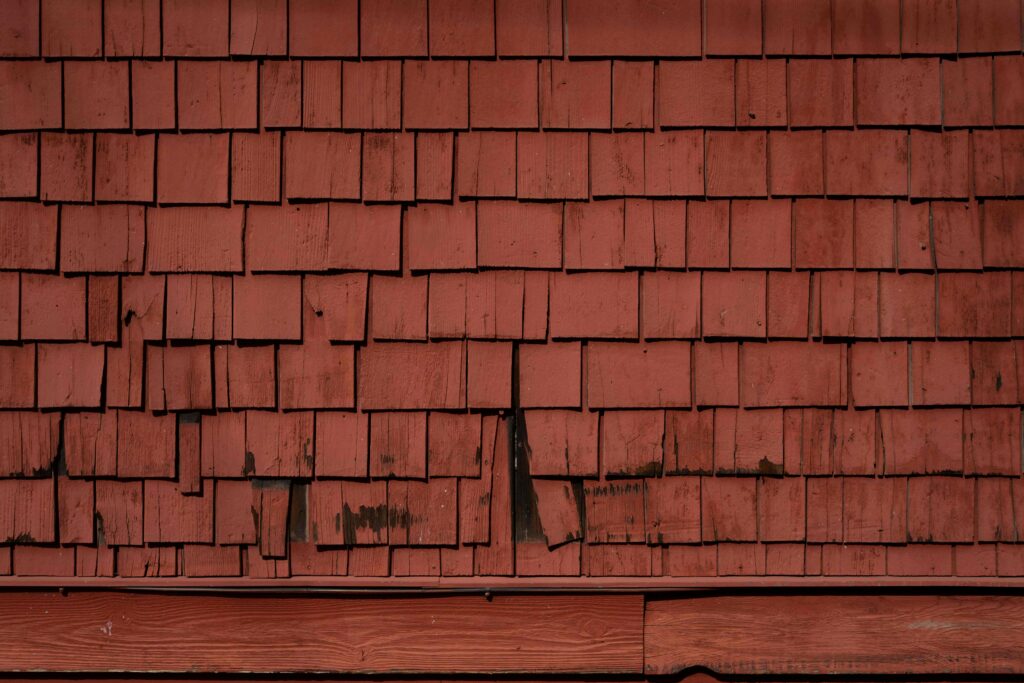
Common damage we see after a Northeast Nebraska hailstorm includes dented or detached gutters, cracked and missing shingles, torn flashing around chimneys and vents, and punctured soft spots on lower-slope sections. None of this is always visible from your driveway, which is exactly why a closer look matters.
What Should You Do Immediately After a Hailstorm?
Safety comes first. Wait until conditions have fully cleared before walking your property, and never climb onto your roof to inspect it yourself. From the ground, you can look for dented gutters, damaged window screens, and stripped siding paint, all signs that hail hit your property with enough force to affect your roof too.
Next, document everything. Take dated photos and videos of any visible damage, including your gutters, siding, and outdoor fixtures. Then contact your insurance company to report the damage and start the claims process. Nebraska generally allows a two-year window for filing property damage claims, but most insurance policies have shorter notification requirements, so it’s smart to report within 30 to 60 days of the storm.
Finally, schedule a professional inspection before making any repairs yourself. Temporary patches or DIY fixes can complicate your claim and sometimes create new problems that weren’t there before.
Why Does a Professional Roof Inspection Matter So Much?
Trained inspectors catch what homeowners typically miss, including granule loss, hairline stress fractures, and compromised seal strips that won’t show up from a ground-level look. These details matter because they determine whether your roof needs a simple repair or a full system replacement, and getting that call wrong costs money either way.
A professional inspection also produces documentation that strengthens your insurance claim. When we inspect a roof after a storm, we photograph and record every point of damage so homeowners have solid evidence to bring to their insurance adjuster. Catching damage early prevents water infiltration, which left unchecked, leads to mold, wood rot, and structural issues that cost far more to fix than the original hail damage ever would have.
Should You Repair or Replace Your Hail-Damaged Roof?
The answer depends largely on how much of your roof was affected and how old it is. If your roof is under 15 years old and the damage is limited to a few shingles or one section, getting your roof repaired is often the faster, more cost-effective solution. Widespread damage across multiple slopes, missing granule coverage over a large area, or a roof already approaching the end of its lifespan usually points toward getting a roof replacement instead.
As a general guideline, if hail damage affects more than 20 to 30% of your roof’s surface, replacement tends to be the more practical long-term investment rather than a series of ongoing patch jobs. Whichever direction makes sense for your home, matching materials and proper installation are what keep a roof performing the way it should for years afterward.
How Can You Protect Your Roof Before the Next Storm?
Regular maintenance goes a long way toward improving your roof’s resilience. Cleaning gutters, checking for loose or curling shingles, and trimming back tree limbs near your home all reduce the amount of debris and stress your roof faces during severe weather.
If you’re due for a replacement anyway, impact-resistant shingles are worth serious consideration in a hail-prone region like ours. These materials are specifically engineered to better withstand the kind of blunt-force impact Northeast Nebraska storms regularly produce. Proper attic ventilation and insulation also play a role, since they support the roof’s overall structural health and reduce vulnerability to temperature-driven wear over time.
Frequently Asked Questions
Q: How do I know if my roof has hail damage?
A: Look for dented gutters, cracked or missing shingles, granule buildup in your gutters, and soft spots on the roof surface. That said, much of the damage hail causes is only visible to a trained inspector, which is why we recommend a professional assessment after any significant storm.
Q: Does homeowners insurance cover hail damage?
A: Most standard homeowners insurance policies cover hail damage, though specifics vary by policy and deductible. Contact your insurance provider as soon as possible after a storm to understand your coverage and begin the claims process.
Q: Can I repair hail damage myself?
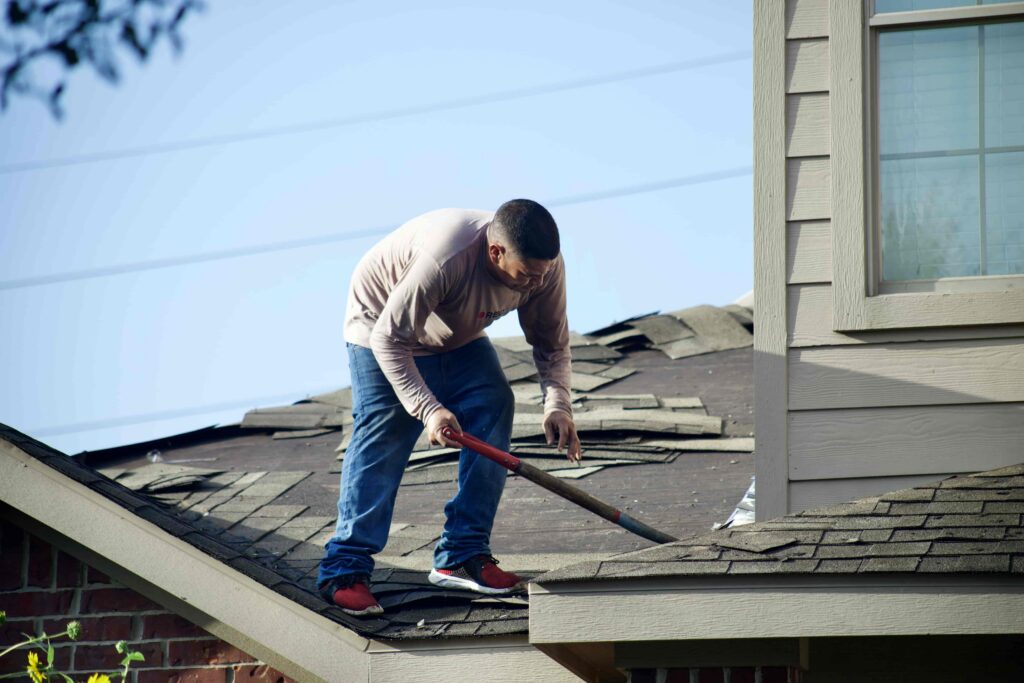
A: We don’t recommend it. DIY repairs can create additional problems, and improper fixes sometimes complicate or void your insurance claim. A professional roofer has the training and materials to repair damage correctly the first time.
Q: When should I replace my roof instead of repairing it?
A: If hail damage covers more than 20 to 30% of your roof, or if your roof is already 15 to 20 years old, replacement is typically the more cost-effective choice over repeated repairs.
Q: How long does a roof repair typically take?
A: Minor repairs are often completed in a day or two, while larger repair projects can take several days depending on the extent of the damage and weather conditions at the time of the work.
Protecting Your Norfolk Home After the Next Storm
Hailstorms are simply part of living in the city of Norfolk and the surrounding communities, and your roof takes the brunt of it every time severe weather rolls through. Acting quickly after a storm, documenting damage thoroughly, and getting a professional opinion protects both your home and your insurance claim.
We’ve been serving Norfolk and Madison County homeowners through storm after storm, and we understand what local weather patterns do to local roofs. If you suspect hail damage after a recent storm, stop by our office in Norfolk or reach out to the best roofing company for your free roof inspection.