Omaha winters average around 27 inches of snowfall and temperatures that regularly dip below 16°F, making fall the best time to inspect your roof, clean your gutters, and check your siding. Addressing small issues now prevents costly repairs once freezing temperatures arrive.
Omaha winters don’t ease you in. One week you’re raking leaves, and the next you’re dealing with a hard freeze that locks in every crack, gap, and loose shingle your home has been hiding all year. By the time snow starts sticking, it’s too late to catch the problems that cold weather will make worse.
That’s why fall is the most valuable window for exterior home maintenance. A few hours of preparation now can save you thousands in emergency repairs later. We’ve put together this checklist to walk you through everything Omaha homeowners should do before temperatures drop for good.
Key Takeaways:
- Schedule a professional roof inspection before the first freeze
- Clear gutters and downspouts to prevent ice dam formation
- Inspect siding for cracks, gaps, and damage that cold weather will worsen
- Trim tree branches hanging over your roof before snow and ice add weight
- Address repairs now — winter accelerates existing damage fast
What Makes Omaha Winters So Hard on Roofs and Siding?
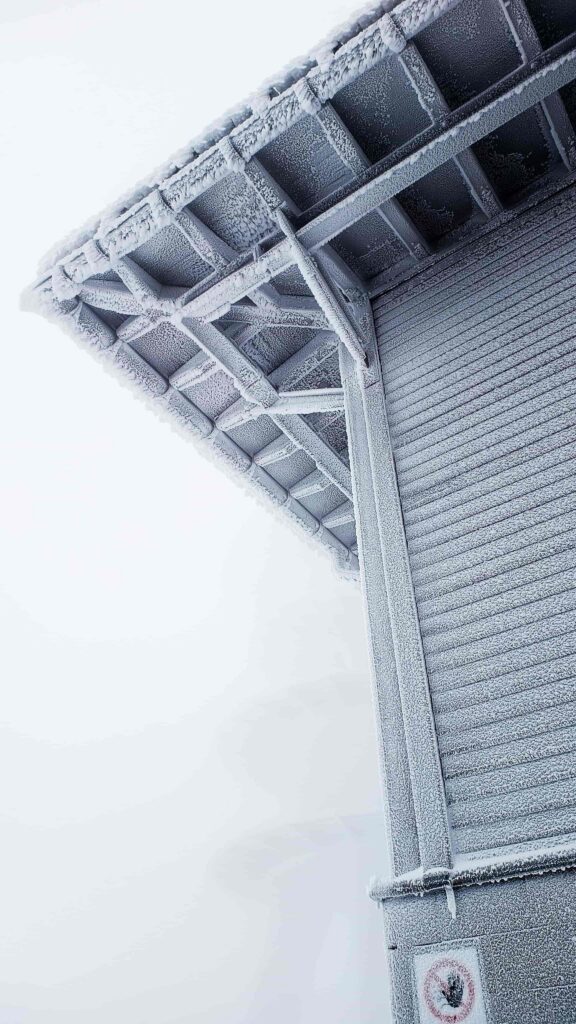
Omaha averages roughly 27 inches of snowfall per year, with winter lows that regularly fall to 16°F (according to NOAA climate normals). That combination of heavy accumulation and sharp temperature swings creates a cycle that’s particularly rough on exterior surfaces. Snow melts during a warmer afternoon, then refreezes overnight — expanding inside any crack or gap it has already found its way into.
Roofs and siding take the full force of this. A small area of missing caulk or a curled shingle that caused no problem in October can turn into a serious leak by January. The good news is that most of these vulnerabilities are easy to spot before winter arrives, as long as you know what to look for.
What Should You Look for During a Fall Roof Inspection?
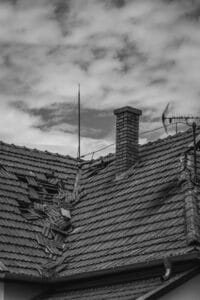
Start by examining your shingles from the ground with binoculars, or schedule a professional inspection for a closer look. Missing shingles, cracked edges, and shingles that have begun to curl at the corners are all signs that water can get underneath and into your roof deck. Pay close attention to areas around chimneys, skylights, and vent pipes, where flashing is most likely to develop gaps or pull away from the surface.
Don’t overlook your attic, either. Head up there on a clear day and look for any daylight coming through the roof boards, dark staining on the wood, or signs of moisture. These are early indicators of a leak that hasn’t yet shown up on your ceiling. Catching a small roof repair now is far less disruptive than a roof replacement after a winter’s worth of water damage.
Asphalt shingles typically last between 20 and 25 years. If your roof is approaching that range, a pre-winter inspection is especially worth scheduling — our expert roofers in Omaha offer free inspections and will give you an honest assessment of whether you need a repair or a full replacement.
How Do You Clean Gutters and Downspouts Before Winter?
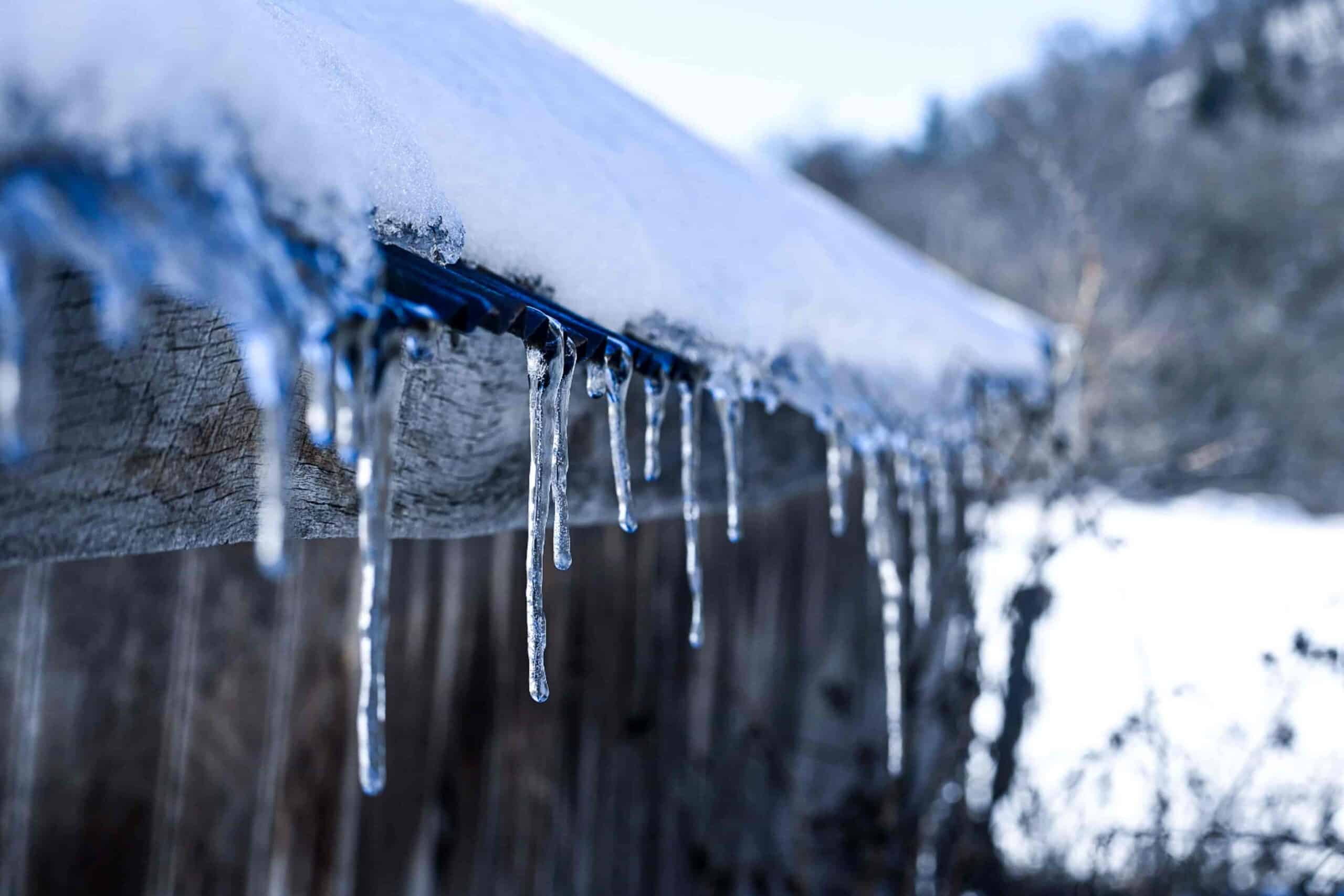
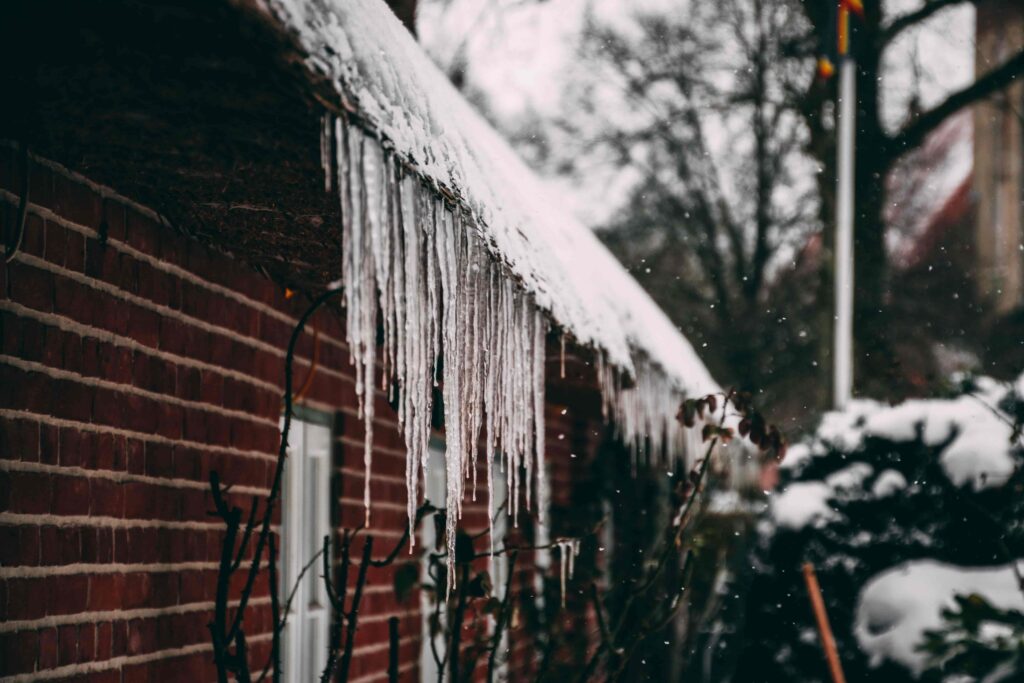
Gutters clogged with fall leaves do more than overflow — they set the stage for ice dams. Ice dams form when heat from inside your home warms the roof deck, melting snow from beneath. That water runs down toward the eaves, hits the cold gutters, and refreezes. Over time, it creates a barrier that forces water back up under your shingles and into your home.
Cleaning your gutters before the first freeze removes the debris that traps that standing water. Once they’re clear, check that your downspouts direct water at least four to six feet away from your foundation. If they deposit water right against the house, that moisture can work its way into your basement or crawl space over winter. The International Association of Certified Home Inspectors (InterNACHI) recommends extending downspouts as one of the most effective and low-cost ways to prevent foundation water intrusion.
If climbing a ladder isn’t something you want to tackle, or if your gutters clog every season, gutter guards are worth considering. Products like those we install — including ArmourGuard and LeafFree — are specifically designed to prevent ice dam buildup in the gutter channel while reducing the frequency of cleanouts.
What Siding Issues Should You Spot Before the First Freeze?
Siding often gets overlooked in fall maintenance routines, but it’s one of the most vulnerable parts of your home’s exterior once freeze-thaw cycles begin. Walk the perimeter of your home and look for cracks in the panels, gaps where sections meet, peeling paint on wood trim, and any areas where the siding has pulled away from the wall. These openings allow moisture to get behind the panels, where it sits against your sheathing and insulation through the winter.
Vinyl siding is generally resilient, but becomes more brittle in very cold temperatures. Any existing crack that goes unrepaired before winter will likely grow once temperatures drop below freezing. Fiber cement and engineered wood siding can absorb moisture through damaged areas, leading to swelling and rot over time. Addressing minor siding damage now costs significantly less than structural repairs later.
If you find widespread damage or sections that have been failing repeatedly, it may be time to consider a full siding replacement before winter sets in. Our team can assess the condition of your current siding and walk you through your options.
How Do You Weatherproof Your Home Before Winter?
Sealing your home’s envelope — the barrier between your living space and the outside — reduces heating costs and prevents moisture from creeping in through small openings. Walk around the exterior and inspect the caulking around window frames, door trim, and any utility penetrations like gas lines or hose bibs. Caulk that has cracked, shrunk, or pulled away from the surface should be removed and replaced before freezing temperatures make the gaps worse.
Check the weatherstripping on exterior doors as well. A simple test: close the door on a piece of paper. If you can pull it out easily, the seal isn’t tight enough to keep cold air — or water — out. The U.S. Department of Energy estimates that properly sealing and weatherproofing a home can reduce heating and cooling costs by up to 20%.
Pay attention to the areas where your attic meets your living space, too. Gaps around recessed lights, plumbing stacks, and attic hatches allow warm air to rise into the attic, which is one of the three primary causes of ice dam formation. Sealing these gaps is a straightforward task that has a direct impact on how your roof performs through winter.
Why Does Tree Maintenance Matter Before Winter?
Overhanging branches become a real liability once snow and ice start accumulating. A branch that looks harmless in October can hold enough frozen weight by February to snap and come down on your roof. The International Society of Arboriculture (ISA) recommends maintaining clearance between tree branches and your roof, keeping branches trimmed back at least six to eight feet from the roofline.
Beyond the risk of impact damage, branches that rest on or brush against your roof abrade shingles over time and hold moisture against the surface. Fallen leaves that collect on the roof from nearby trees accelerate granule loss and trap moisture. Any trees that appear dead, leaning toward the house, or have visible signs of disease should be evaluated by a certified arborist before winter.
Clearing debris from your roof in the fall — leaves, seed pods, and small branches — also reduces the weight load and prevents organic material from breaking down on the surface of your shingles.
FAQ
Q: How often should I have my roof professionally inspected?
A: We recommend scheduling a professional inspection at least once a year, ideally in the fall before winter sets in. If you’ve had a significant hail or wind event, schedule one as soon as possible after the storm — damage from those events often isn’t visible from the ground.
Q: What’s the difference between a roof repair and a roof replacement?
A: Repairs address localized damage — a few missing shingles, a failing pipe boot, or a section of compromised flashing. A replacement becomes the more practical option when your roof shows widespread deterioration, has been repaired multiple times, or is approaching the end of its expected lifespan (typically 20–25 years for asphalt shingles). We’ll always give you an honest recommendation either way.
Q: Can I do these maintenance tasks myself?
A: Basic visual inspections from the ground and gutter cleaning are manageable DIY tasks. Anything that puts you on the roof — shingle repairs, flashing work, or assessing structural issues — should be handled by a licensed contractor. Wet leaves and uneven surfaces make roofs particularly hazardous in fall conditions.
Q: What should I do if I find damage during my inspection?
A: Contact a professional as soon as possible. Winter weather doesn’t slow down once it starts, and damage that seems minor in November can escalate quickly once freeze-thaw cycles begin. We offer free inspections and can typically be on-site within 24 hours for urgent situations.
Q: Does homeowner’s insurance cover winter roof damage?
A: It depends on the cause. Damage resulting from a sudden weather event — heavy snow, ice, or wind — is generally covered. Damage attributed to lack of maintenance or gradual wear typically is not. Scheduling a professional inspection now creates a documented baseline of your roof’s condition, which can support a claim if something does happen over winter.
Don’t Wait for the First Snowfall
The window for fall maintenance is shorter than most homeowners expect. Once ground temperatures drop consistently below freezing, caulking won’t cure properly, debris is harder to clear, and getting on a roof becomes a safety hazard. The repairs that take an hour in October can turn into a multi-day emergency job in January.
Our team at Home Pride Contractors has been helping Omaha homeowners prepare for and recover from Midwest winters since 1985. With 800+ five-star reviews and an A+ BBB rating, we’re the local roofer in Omaha homeowners call when they want an honest assessment and quality work. Schedule your free inspection today by calling 402-592-5577 or visiting our Omaha office at 8288 Hascall St.