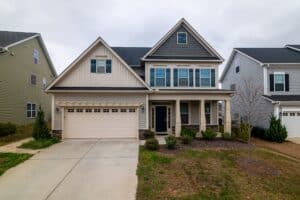
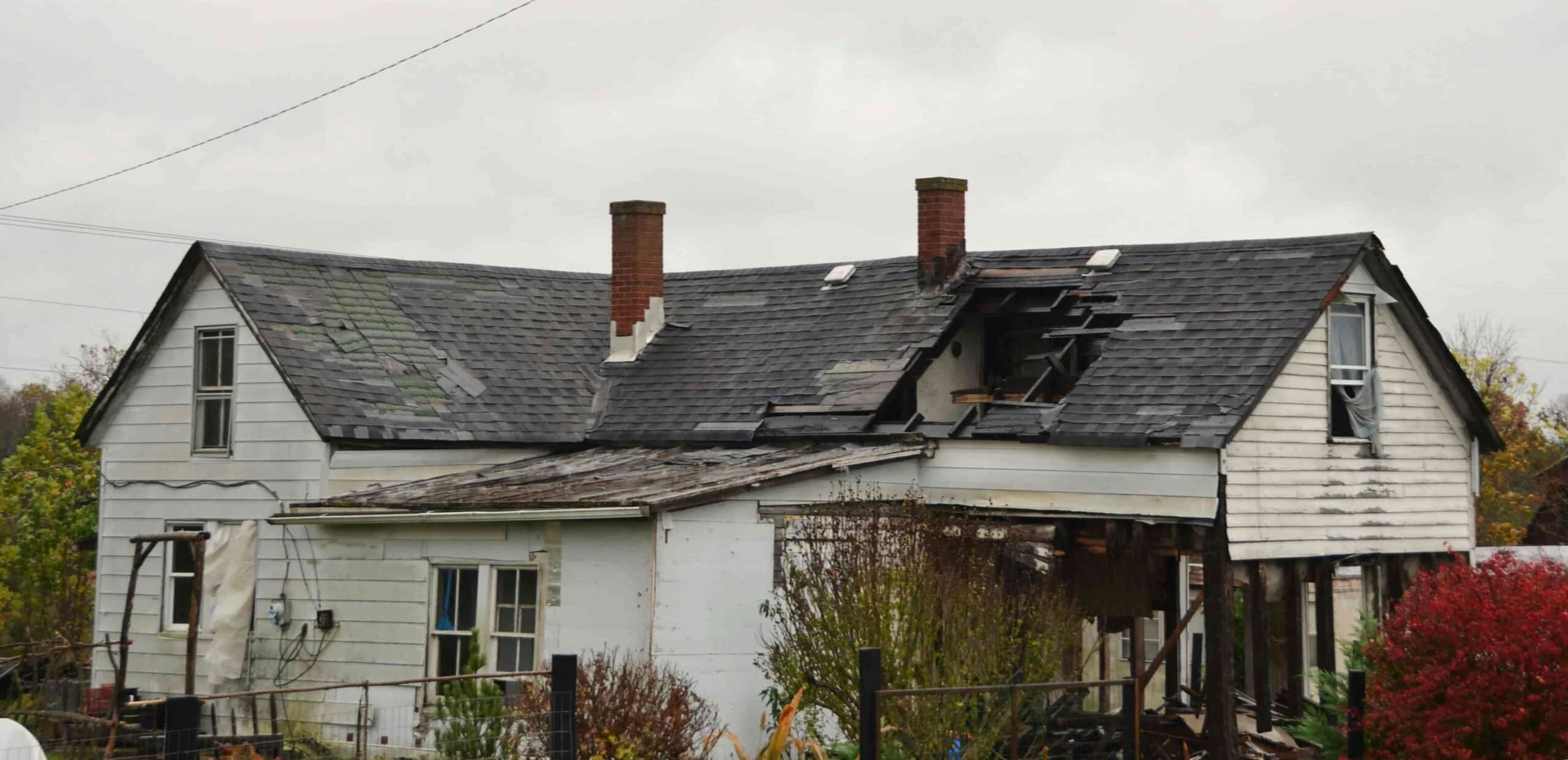
Sioux City’s bluff-top homes face rising wind exposure, with Iowa recording nearly double the annual frequency of 50+ mph gusts over the past decade. We recommend Class 4 impact-rated architectural shingles or stone-coated steel roofing, paired with reinforced fastening and proper ventilation, to protect against wind uplift and storm damage.
Sioux City sits on a landscape of bluffs and river valleys that create unpredictable wind patterns throughout the year. Homes perched on higher ground or in open areas near the Missouri River catch gusts that flatter, more sheltered properties never feel. We’ve spent decades repairing and replacing roofs across this region, and we’ve watched firsthand how a poorly matched roofing system can fail during a single spring storm.
Wind isn’t just an occasional inconvenience here. According to a 2024 analysis by Precision Risk Management, Sioux City is among the Iowa cities that saw the number of days with 50+ mph wind gusts roughly double over the past decade compared to 2004–2013. Statewide, average peak gust speeds climbed from around 23 mph to 28 mph over the last 30 years. That shift matters when you’re deciding what materials belong on your roof.
This guide walks through the roofing options that hold up best against Sioux City’s wind conditions, the installation details that make the biggest difference, and the maintenance habits that keep your roof storm-ready year after year.
Key Takeaways
- Wind-resistant materials and proper installation are essential for homes exposed to Sioux City’s bluff-driven wind patterns.
- Impact-rated shingles, reinforced fastening systems, and correct ventilation all reduce the risk of storm damage.
- Routine inspections and maintenance catch small problems (loose shingles, damaged flashing) before they become expensive repairs.
- Working with a contractor who understands the regional wind zones and building codes makes a measurable difference in long-term performance.
Why Do Sioux City Homes Face Higher Wind Risk?
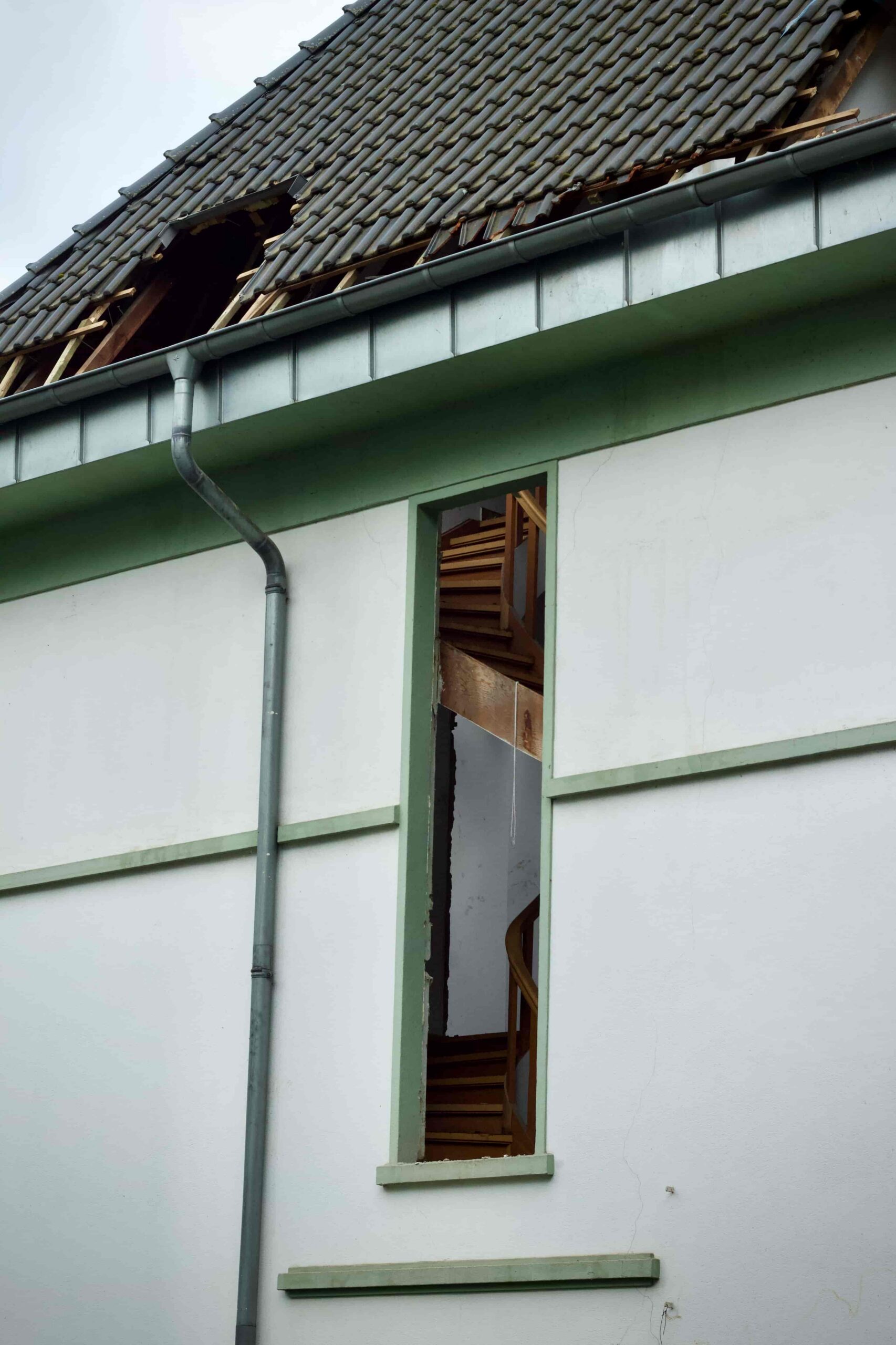
Properties along the bluffs and open plains surrounding Sioux City have less natural windbreak than homes tucked into denser neighborhoods. Fewer trees and structures to slow the wind means gusts hit your roofline with more force, particularly during spring and summer storm season. Older roofs, especially those installed with standard fastening patterns, often weren’t built with this level of exposure in mind.
We also see this play out with aging roofing systems. A roof that’s 15 or 20 years old may have already lost some of its sealant strength, making it far more vulnerable to lifting or shingle loss when a strong front moves through. If your home has been through a few rounds of severe weather without a full inspection, it’s worth having someone take a closer look before the next storm season arrives.
Which Roofing Materials Handle Sioux City’s Wind Conditions Best?
Not every shingle or roofing system is built the same, and the difference shows up the first time a serious wind event rolls through. We typically steer homeowners toward a few proven categories.
Impact-Rated Architectural Shingles
Architectural shingles are thicker and more heavily laminated than standard three-tab options, which gives them a natural edge in high-wind conditions. Look for products tested under ASTM D3161 (rated for 60, 90, or 110 mph) or ASTM D7158, where a Class H rating means the shingle has been tested to withstand winds up to 150 mph. Many of these same shingles also carry a UL 2218 Class 4 impact rating, the highest level available, which adds protection against hail alongside wind.
Brands like GAF, CertainTeed, and Atlas make dedicated high-wind and impact-resistant lines, including the Atlas StormMaster Shake, which combines wind resistance up to 150 mph with hail protection.
Metal Roofing
Stone-coated steel and standing-seam metal systems offer some of the strongest wind performance available for residential roofing. These materials resist uplift far better than asphalt, hold up through wind-driven rain and hail, and typically last 40 to 50 years with proper care.
For homeowners on exposed bluff lots who want a long-term solution and fewer roof replacements, metal is worth serious consideration.
Underlayment and Moisture Barriers
The materials you don’t see matter just as much as the shingles on top. A quality synthetic underlayment adds a secondary moisture barrier that protects your home even if wind lifts or damages a section of shingles during a storm. Ice-and-water shield along eaves, valleys, and ridges provides extra reinforcement in the areas most likely to fail first.
How Does Professional Installation Improve Wind Resistance?
Even the best-rated shingle underperforms if it isn’t installed correctly. Manufacturers design specific nailing zones and fastening patterns to maximize wind resistance, and skipping or rushing this step voids most warranties and leaves the roof exposed.
Our crews follow manufacturer-specified fastening patterns, including wider nailing zones and reinforced fastening at high-stress points like ridges and eaves. We also pay close attention to soffit and ventilation installation. Improper ventilation can create pressure imbalances that make it easier for wind to lift shingles from underneath, which is a common but often overlooked cause of storm damage. Understanding local wind zones and Iowa’s building code requirements is part of getting this right the first time.
What Maintenance Keeps Your Roof Storm-Ready Year-Round?
A roof that performed well last spring can still develop weak points over a single winter. We recommend an annual inspection, plus a follow-up check after any major storm, to catch loose shingles, cracked flashing, or compromised seals before they turn into leaks.
Clearing gutters and downspouts on a regular schedule also matters more than most homeowners realize. Blocked drainage forces water to pool near the roofline, adding stress to shingles and underlayment that are already working hard against wind exposure. Addressing small issues, like a lifted shingle corner or a loose ridge cap, as soon as you spot them prevents a minor repair from turning into a full residential roof repair job.

FAQ
Q: How do I know if my roof can handle Sioux City’s wind conditions?
A: A professional inspection identifies weak points, material age, and installation issues specific to your home. We assess whether your current roof meets today’s wind-resistance standards and recommend upgrades if it doesn’t.
Q: What’s the difference between impact-rated and standard shingles?
A: Impact-rated shingles are tested to withstand hail and flying debris without cracking, while standard shingles lack that reinforcement and are more prone to damage during severe weather.
Q: How often should I have my roof inspected?
A: We recommend an inspection once a year, plus an additional check after any major storm. Catching damage early is almost always less expensive than waiting for a leak to appear.
Q: Can wind-resistant roofing lower my insurance costs?
A: Many insurance providers offer discounts for homes with impact-rated roofing and professional installation. It’s worth checking with your provider to see what savings apply to your specific policy.
Q: How long does a wind-resistant roof last?
A: With quality materials and correct installation, most systems last 25 to 40 years, depending on your home’s exposure and how consistently the roof is maintained.
Protect Your Home Before the Next Storm Hits
Sioux City’s wind patterns aren’t slowing down, and homes on the bluffs will keep facing more exposure than the surrounding valleys. Choosing the right materials, from impact-rated shingles to metal roofing, combined with correct installation and regular upkeep, gives your home a real fighting chance against the next severe gust.
If it’s been a few years since your last inspection, or if you’re planning ahead for roof replacements, our team at Home Pride Roofing is here to help. We’ve spent 40+ years serving Iowa and Nebraska homeowners, and we understand exactly what this region’s weather demands from a roof.
Explore our Sioux City roofing services, or visit our office to talk through your options with our team.