 Skip to content

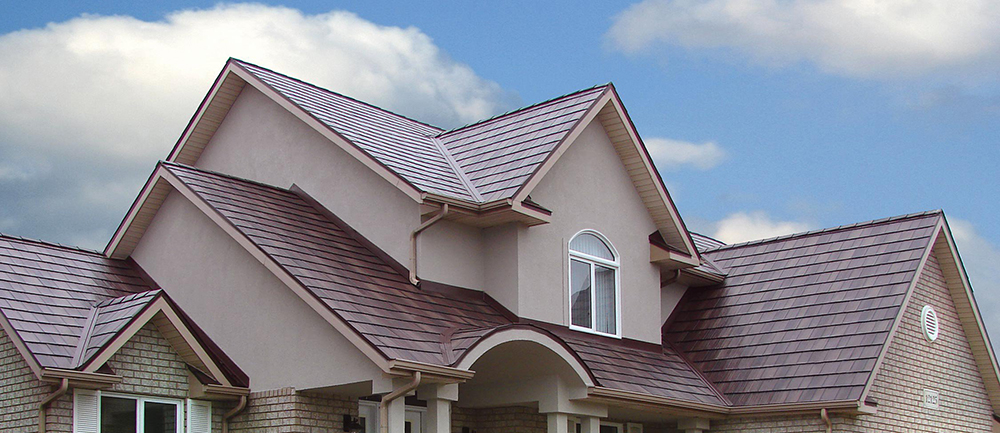
If you are installing a new roof on your home or commercial or industrial building, the roof is most likely covered by some kind of roofing warranty. One would think that a warranty is a warranty and there isn’t much more to consider when it comes to a roofing warranty, but that’s not actually the case. In fact, roofing warranties can be fairly complicated and it’s important as the building owner that you understand what type of warranty covers your roof, the terms of the warranty, factors that may void the warranty, and also your maintenance responsibilities. As such, it is always important to ask for some details about the roofing warranty before you sign a contract to install a new roof. So then, what can you expect from your roofing warranty?
Types of Roofing Warranty
You may be surprised to learn that there are two basic types of roofing warranty: contractor warranty and manufacturer warranty. The contractor warranty is provided by the contractor that installs your roof whereas the manufacturer warranty is provided by the company that makes your roofing material. Each type of warranty can vary significantly from one company to another, so always check the fine print. Typically, a contractor offers a warranty that covers workmanship while manufacturers’ warranties cover materials or sometimes the roofing system.
In your review of your warranty, you may also learn of material-only, labor-only, and system warranties. Material-only roofing warranties are less expensive but apply only to material defects that cause early deterioration of roofing systems. These warranties include the roof membrane but not flashings, adhesives, or edges. With a material-only warranty will cover the costs of material replacement but not the labor costs associated with the repair. Labor-only warranties are generally provided by contractors and cover labor costs associated with roof repair. Finally, the most expensive but best roofing warranties are roof system warranties. These warranties protect you completely and cover labor and material costs including costs for accessories such as flashing and edges.
To confuse things further, labor warranties are different from roof workmanship warranties. While a labor roofing warranty will cover the costs associated with repairing a damaged roof, it does not cover repairs resulting from installation problems. Alternatively, workmanship roofing warranties protect you in case of installation defects.
Terms of Roofing Warranty
As you may have guessed, the terms of your roofing warranty will depend on the type of warranty you have and also the company providing the warranty. Before you purchase a new roof, ask what is covered and for how long. Make sure to also ask about labor and materials and what kinds of defects are typically covered and whether there is any coverage for damage from weather.
Also, take note that there are typically maintenance responsibilities that are outlined in your warranty. If you fail to maintain your roof, your warranty may be voided. Additionally, roofing warranties are not likely to cover damage from standing water, damage to interior structures, and also so-called “acts of God” (i.e. extreme weather or events such as tornadoes, floods, and fires).
Takeaway:
If you are considering getting a new roof for your home or office, and are looking over the warranty. It’s imperative to look at both the roofing contractors warranty and the manufacturer warranty.