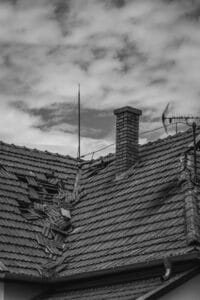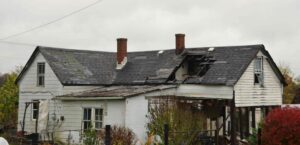
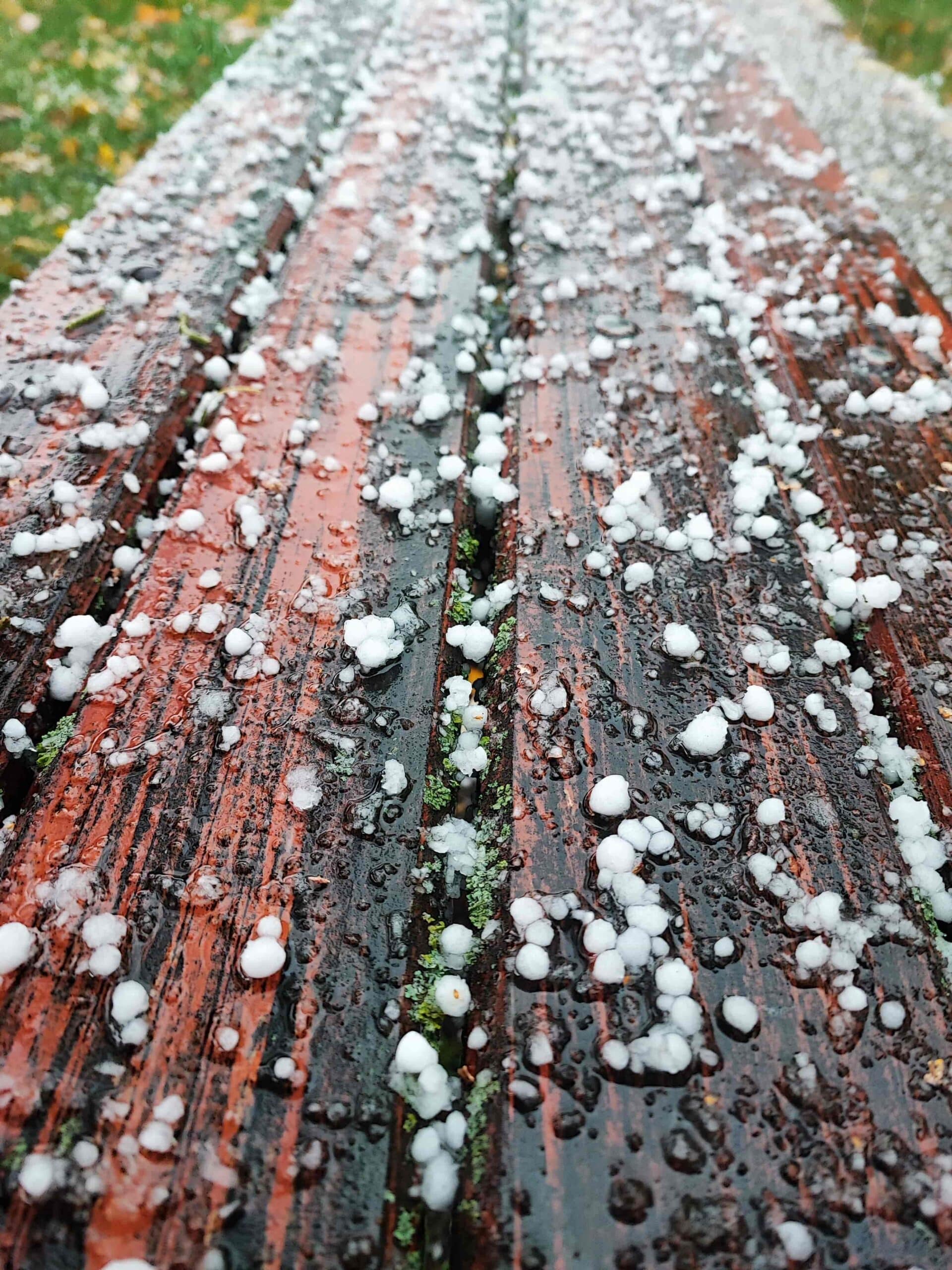
After a Nebraska hailstorm, inspect your roof within 24–48 hours for dents, cracked shingles, granule loss, and damaged gutters. Photograph all visible damage before contacting your insurance provider. If you’re unsure what you’re looking at, a professional inspection is the safest next step—and ours are always free.
Nebraska sits in the heart of Hail Alley, ranking third among the most hail-prone states in the country. The state averages over 100 significant hail events per year, and eastern Nebraska—including the greater Omaha metro—takes direct hits nearly every spring and summer. For homeowners here, a severe storm isn’t a rare occurrence. It’s a recurring reality.
What makes hail damage so frustrating is how easy it is to miss. From the ground, your roof can look completely fine while shingles underneath are cracked, granules are stripped away, and water is already finding its way in. A small amount of undetected damage today can turn into a costly roof repair or full roof replacement months down the line.
At Home Pride Roofing, we’ve been inspecting storm-damaged roofs across Omaha since 1985. This guide walks you through what hail damage actually looks like, how to safely check your roof after a storm, when to call a professional, and how to handle the insurance claim process.
Key Takeaways
- Look for dents, cracked shingles, and granule loss as primary signs of hail damage
- Use binoculars from the ground if climbing your roof isn’t safe
- Document all damage with dated photos as soon as possible
- Contact your insurance company promptly to start the claims process
- A professional inspection catches damage that’s easy to miss—and ours are free

What Does Hail Damage Look Like on an Omaha Roof?
Hail damage doesn’t always announce itself. After a storm passes, the signs can be subtle—especially on asphalt shingles, where impact marks blend into the texture of the material.
Here’s what to look for:
- Round dents or impact craters on shingles, metal flashing, or roof vents. These marks are typically circular and may appear dark or discolored.
- Granule loss. Asphalt shingles are coated in small protective granules. A hail strike can knock these loose, leaving bare patches that expose the underlying material to UV rays and moisture. Check your gutters and downspouts for an unusual buildup of granules after a storm—this is one of the clearest signs of impact.
- Cracked or split shingles. Larger hailstones can crack shingles outright, creating direct pathways for water infiltration.
- Dented gutters and downspouts. Metal surfaces take a beating during hailstorms. Visible dents along your gutters are a reliable indicator that your roof absorbed impact too.
- Damaged soffit, fascia, or flashing. These areas are often overlooked but are just as vulnerable as your shingles.
One important note: hail damage varies across a roof. One side of your home may show significant impact while the other looks untouched, depending on the storm’s angle and wind direction. A thorough inspection covers all sections—not just the most visible areas.
How to Safely Inspect Your Roof After a Nebraska Storm
Wait until the weather has fully cleared and your roof has dried before attempting any kind of inspection. A wet roof is a slippery roof, and no inspection is worth a fall.
Here’s a practical approach:
1. Start from the ground. Use binoculars to scan your roof from different angles. Look for any obvious displacement, dark patches, or areas where the shingle texture looks inconsistent. This step alone can reveal a lot without putting you at risk.
2. Check the gutters up close. Walk the perimeter of your home and inspect your gutters and downspouts for dents and granule accumulation. This is often the most accessible and telling indicator of hail impact.
3. Look at other exterior surfaces. Dents on your AC unit, mailbox, window screens, or painted wood trim are all evidence that hail hit hard enough to do roof damage. If those surfaces show impact marks, assume your roof does too.
4. Document everything with photos. Before anything is repaired or cleaned up, photograph the damage clearly. Include wide shots for context and close-ups for detail. Note the date of the storm on each image if your camera doesn’t timestamp automatically.
5. Check your attic. After a significant storm, go into your attic with a flashlight. Look for daylight coming through the roof deck, wet insulation, or water stains on the rafters. These are signs that damage has already allowed moisture inside.
If you’re not comfortable getting on your roof—or if the damage appears extensive—skip the DIY inspection and call a professional. Attempting to assess serious structural damage without experience can cause additional harm to the roof and put you at unnecessary risk.
When Should You Call a Professional Roofing Contractor?
The short answer: sooner than you think. Hail damage is notoriously difficult to assess without hands-on experience. What looks like surface-level scuffing to an untrained eye can actually indicate compromised shingle integrity that will fail under the next rain.
As an Omaha roofing contractor with over 40 years of experience, we’ve inspected thousands of storm-damaged roofs across Nebraska and Iowa. Our team can identify damage patterns that homeowners consistently miss—granule loss depth, shingle bruising beneath the surface, and compromised underlayment that won’t show up in photos.
We also provide a detailed written inspection report, which carries significant weight when filing an insurance claim. Insurance adjusters respond differently to documented professional assessments versus homeowner-reported damage. Our report gives your claim a factual foundation.
Home Pride offers free roof inspections with no obligation. We can typically be on-site within 24 hours of your call. Reach us at 402-592-5577, or visit our office at 8288 Hascall St, Omaha, NE 68124.
How Do Insurance Claims Work for Hail Damage in Nebraska?
Nebraska’s severe weather profile makes it one of the most expensive states for homeowners insurance. According to a 2026 analysis by MoneyGeek, Nebraska homeowners pay an average of $6,277 per year for a $250,000 home—81% above the national average. That cost is a direct reflection of the state’s hail and storm exposure.
Most standard homeowners insurance policies (HO-3) cover hail damage to your roof, siding, and gutters. However, Nebraska policies often apply a separate percentage-based deductible for wind and hail losses rather than a flat dollar amount. On a $350,000 home with a 2% deductible, that’s $7,000 out of pocket before coverage kicks in. Review your policy closely before filing so you understand what your actual out-of-pocket cost will be.
Here’s how to move through the claims process efficiently:
- File promptly. Contact your insurer as soon as possible after the storm. Many policies have time limits on storm damage claims, and delays can complicate coverage.
- Provide your documentation. Submit your dated photos and any written inspection report from a roofing contractor. The more evidence you have, the stronger your claim.
- Expect an adjuster visit. Your insurance company will likely send their own adjuster to assess the damage. Having a contractor present during this inspection can be valuable—our team can point out damage that adjusters sometimes overlook.
- Get a repair estimate in writing. Before any work begins, ensure you have a written estimate from your roofing contractor. This protects you and gives your insurer a clear cost basis for the claim.
We work directly with insurance companies and assist homeowners through the claims process. Our experience with hail damage means we know what adjusters look for—and how to document damage in a way that supports a fair settlement.
How Can You Reduce Future Hail Damage to Your Roof?
Living in Omaha means accepting that hail is part of life. The right roofing materials, however, can significantly reduce the damage any given storm causes.
Home Pride installs Atlas StormMaster® shingles, which are built with SBS (Styrene Butadiene Styrene) technology and rated Class 4 for impact resistance—the highest rating available under UL 2218 testing standards. Class 4 impact-resistant shingles can also reduce your homeowners insurance premium by 10–28%, depending on your carrier, which means the upgrade often pays for itself over time.
Beyond materials, regular roof maintenance extends your roof’s lifespan and helps catch small problems before they become expensive ones. Annual inspections—especially after Nebraska’s spring storm season—are the most reliable way to stay ahead of deterioration.

FAQ
Q: How quickly should I inspect my roof after a hailstorm?
A: Ideally within 24 to 48 hours, while the damage is fresh and your memory of the storm is clear. Acting quickly also strengthens your insurance claim, since recent storm reports and fresh impact marks are easier to document and tie to a specific weather event.
Q: Can I file a homeowners insurance claim for hail damage in Nebraska?
A: Yes. Most standard homeowners insurance policies cover hail damage to your roof and exterior. Contact your insurance company immediately after a storm to report the damage and begin the claims process. Review your policy for any wind and hail deductible, which in Nebraska is often a percentage of your home’s insured value rather than a flat dollar amount.
Q: Should I attempt to repair hail damage myself?
A: We’d advise against it. DIY repairs on hail-damaged shingles can void your manufacturer warranty, create new leak points if done incorrectly, and complicate your insurance claim. A professional inspection and repair ensures the work is done right the first time and is backed by a written warranty.
Q: What if I wait a few weeks before getting my roof inspected?
A: Delaying an inspection allows any breach in your roof to admit moisture, which can lead to interior water damage, mold growth, and compromised structural framing—all of which are far more costly to fix than the original hail damage. Some insurance policies also have claim windows, so waiting too long can affect your coverage eligibility.
Q: How do I know whether I need a repair or a full roof replacement after hail damage?
A: It depends on the extent and distribution of the damage. Localized damage to a few shingles may be resolved with a spot repair. Widespread granule loss, multiple cracked shingles, or an older roof nearing the end of its lifespan often makes a full replacement the more cost-effective choice. Our team provides an honest assessment during the free inspection—we’ll tell you exactly what the roof needs and why.
Protect Your Home Before the Next Storm Hits
Hailstorms are not a question of if in Omaha—they’re a question of when. Knowing how to spot damage, document it properly, and move through the insurance process efficiently puts you in a much stronger position when the next one rolls through.
If your home was recently affected by a storm, don’t wait to find out what it cost you. Call Home Pride Roofing at 402-592-5577 to schedule your free inspection. Our team serves Omaha and the surrounding communities, and we can usually be on-site within 24 hours.